One Day In Kyoto
Exploring everything in Kyoto in one day is impossible, but with smart planning, you can experience the ancient capital’s magnificent temples, gardens, and cultural heritage through a carefully curated itinerary focused on quality.

Can You Explore Everything in Kyoto in One Day?
Right, let’s be honest here, mate – exploring everything Kyoto has to offer in a single day? Absolutely impossible. With over 2,000 temples, stunning gardens, and centuries of cultural heritage, you’d need months to scratch the surface properly. But here’s the thing – one day in Kyoto is still bloody brilliant if you plan it smartly. I’ve done the legwork for you, and this itinerary will give you a proper taste of what makes this ancient capital so magnificent. It’s about quality over quantity, innit?
About This Itinerary for One Day in Kyoto
This carefully crafted itinerary is designed to maximize your limited time in Japan’s ancient capital. We’ve selected the most iconic attractions that showcase Kyoto’s essence—from golden temples and serene bamboo groves to traditional geisha districts—all while maintaining a realistic pace that won’t leave you exhausted.
Table of Contents
The route follows a logical geographical flow to minimize travel time between sites, primarily utilizing Kyoto’s efficient bus and train network. We’ve included specific timing recommendations, transportation tips, and strategic breaks for meals and rest. This itinerary assumes you’re starting from Kyoto Station in the morning and concluding there in the evening, making it perfect whether you’re staying in Kyoto or visiting as a day trip from Osaka or another nearby city.
While one day can’t cover everything, this itinerary captures Kyoto’s unmistakable spirit and leaves you with unforgettable memories.
One Day in Kyoto: Itinerary – In a Nutshell
Before we dive into the detailed breakdown of your day in Kyoto, here’s a quick overview of what this carefully planned itinerary covers. This snapshot will give you a clear picture of how your day will unfold, from early morning temple visits to an evening stroll through historic streets.
Morning: Start your day early at Fushimi Inari Shrine (7:00 AM – 9:00 AM), exploring the famous vermillion torii gates before the crowds arrive. Then head to the serene Kinkaku-ji, the Golden Pavilion (10:00 AM – 11:30 AM), one of Kyoto’s most photographed landmarks set in stunning Zen gardens.
Lunch: Enjoy an authentic Kyoto-style lunch in the Gion district (12:00 PM – 1:00 PM), sampling local specialties like yudofu (tofu hot pot) or obanzai (traditional home-style cuisine) at a traditional restaurant near the historic streets.
Afternoon: Visit the iconic Kiyomizu-dera Temple (1:30 PM – 3:00 PM), perched on a hillside with breathtaking views over the city. Walk through the charming Ninenzaka and Sannenzaka slopes (3:00 PM – 4:00 PM), browsing traditional shops and stopping for matcha tea and sweets.
Evening: Explore the atmospheric Gion district (4:30 PM – 6:30 PM), wandering through narrow lanes lined with wooden machiya houses. If you’re lucky, you might spot a geisha or maiko heading to an evening appointment.
Dinner: End your day with a memorable kaiseki dinner or casual izakaya experience (7:00 PM – 9:00 PM), savoring Kyoto’s refined culinary traditions before heading back to your accommodation.
This itinerary balances Kyoto’s must-see highlights with quieter moments, ensuring you experience the city’s spiritual essence, architectural beauty, and culinary excellence without feeling rushed.
Here are some recommendations for activities with a guide, lasting a few hours that you can explore in Kyoto.
One Day in Kyoto: Itinerary – In Detail
Morning
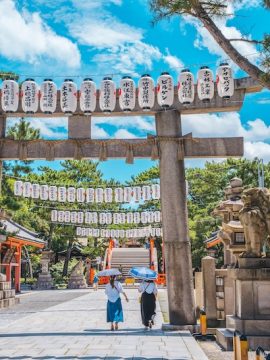
Start your day at Fushimi Inari Taisha by 7:00 AM to beat the crowds. The shrine opens 24/7, making it perfect for early risers. You’ll need 90 minutes to explore the famous torii gate tunnels—climb at least to the first viewing point for spectacular city views. The entire summit hike takes 2-3 hours, but the lower sections offer the most photogenic spots.
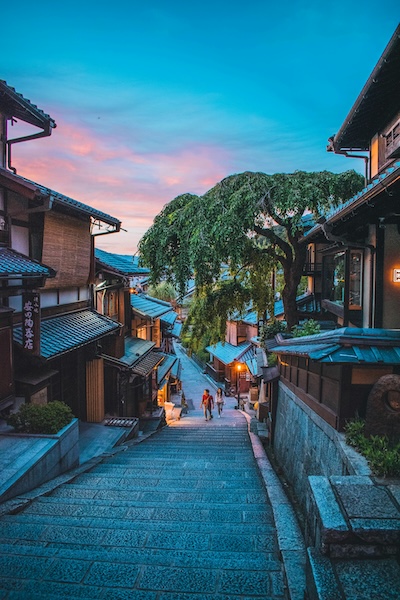
From Fushimi Inari, take the JR Nara Line to Kyoto Station (5 minutes), then transfer to bus 100 or 206 heading to Eastern Kyoto. Get off at Kiyomizu-michi stop (15 minutes) and walk uphill through the charming Ninenzaka and Sannenzaka preserved streets. These atmospheric lanes lined with traditional wooden machiya houses, tea shops, and craft stores provide authentic Kyoto atmosphere.
Arrive at Kiyomizudera Temple around 9:30 AM. This UNESCO World Heritage site features a massive wooden stage jutting out from the hillside, offering panoramic views across Kyoto. The temple opens at 6:00 AM, and morning light is ideal for photography. Explore the Otowa Waterfall where visitors drink from three streams representing longevity, academic success, and love—choose only one, as tradition warns against greed. Budget 60 minutes here.
Walk downhill toward Yasaka Shrine (15 minutes on foot), passing through the historic Higashiyama District. The shrine marks the gateway to Gion, Kyoto’s famous geisha district. If you time it right around 11:00 AM, you might spot geiko or maiko heading to appointments, though sightings are never guaranteed. Walk respectfully through Gion’s Hanami-koji Street, admiring the traditional ochaya (teahouses) and exclusive restaurants that define Kyoto’s cultural heritage.
Lunch
Head to Nishiki Market, Kyoto’s 400-year-old “Kitchen,” located a 10-minute walk from Gion or accessible via bus 5 to Shijo Kawaramachi. This five-block covered arcade houses over 100 specialty shops and food stalls, making it ideal for sampling multiple Kyoto delicacies without committing to a full sit-down meal.
Try these essential items: tsukemono (Kyoto-style pickled vegetables) from century-old pickle shops; fresh yuba (tofu skin), a Kyoto Buddhist cuisine staple; and dashi-maki tamago (rolled omelet made with dashi stock). Sample karaage (Japanese fried chicken) or grilled hamo (pike conger eel) skewers in summer. Don’t miss matcha soft-serve ice cream or traditional warabi mochi for dessert.
For a proper sit-down lunch, Ippudo Nishiki serves excellent ramen just outside the market entrance. Alternatively, Menami offers affordable chirashi-don (sashimi rice bowls) with market-fresh ingredients. If you prefer traditional kaiseki-style dining, Isozushi provides beautiful sushi sets in an intimate setting for around ¥2,500.
The market gets extremely crowded between noon and 2:00 PM, so arriving by 11:30 AM is strategic. Most shops operate from 10:00 AM to 6:00 PM, with some closing by 5:00 PM. Note that many vendors discourage eating while walking—look for standing areas or small eating counters attached to stalls.
Budget 60-75 minutes for lunch and browsing. Nishiki Market also offers excellent souvenir shopping: premium Japanese knives, tea ceremony utensils, local sake, and handmade chopsticks make meaningful gifts. The central location makes it a perfect midday stop before heading to Western Kyoto’s major attractions.
Afternoon
From Nishiki Market, take bus 205 from Shijo Kawaramachi toward Kinkakuji-michi (30 minutes). Arrive at Kinkakuji (Golden Pavilion) around 1:30 PM. This iconic three-story Zen temple, completely covered in gold leaf, ranks among Japan’s most photographed sites. The pavilion reflects magnificently in the mirror pond, creating postcard-perfect views year-round.
The one-way walking path through the temple gardens takes 30-40 minutes. Unlike many temples, you cannot enter Kinkakuji itself—viewing is external only. The grounds feature meticulously maintained gardens, stone arrangements, and a tea house where you can experience matcha and wagashi (traditional sweets) for around ¥500. Despite crowds, the expansive grounds allow for peaceful moments, especially near the rear gardens.
Exit Kinkakuji and catch bus 205 toward Kitaoji Bus Terminal, transferring to bus 59 heading to Arashiyama (45 minutes total). Alternatively, taxi directly to Arashiyama (20 minutes, approximately ¥2,000) if you’re short on time.
Arrive at Arashiyama by 3:00 PM. Walk immediately to the Bamboo Grove, located behind Tenryuji Temple. This towering bamboo forest creates an otherworldly atmosphere as thousands of bamboo stalks sway overhead, filtering sunlight into green-tinted rays. The main path takes just 10 minutes to walk through, but arrive early in your Arashiyama visit before tour groups descend around 3:30-4:00 PM.
Cross the iconic Togetsukyo Bridge spanning the Hozu River, with mountains providing a scenic backdrop. The bridge area offers numerous food stalls selling matcha ice cream, croquettes, and local snacks. If time permits, visit Tenryuji Temple (¥500 entry), a UNESCO site with spectacular Zen gardens, though this requires an additional 30-40 minutes.
Browse Arashiyama’s main shopping street for souvenirs before departing: local bamboo crafts, matcha products, and traditional textiles are specialty items here.
Evening
Depart Arashiyama by 5:00 PM, taking the scenic JR Sagano Line from Saga-Arashiyama Station back to Kyoto Station (15 minutes). This train ride offers beautiful views along the Hozu River and through Western Kyoto’s mountains, especially stunning during autumn foliage season.
Arrive at Kyoto Station by 5:30 PM. If you have energy remaining, visit the Kyoto Station Building’s rooftop observatory (free access) for sunset views across the city. The futuristic station, designed by Hiroshi Hara, contrasts dramatically with traditional Kyoto and offers interesting architectural photography opportunities.
Alternatively, head directly to the Gion district for early evening atmosphere. Take bus 100 or 206 from Kyoto Station to Gion (15 minutes). Between 6:00-7:00 PM, you have increased chances of spotting geiko and maiko traveling to evening appointments through Hanami-koji and Pontocho alleyways. Remember to observe respectfully—never chase, block, or touch them, as they’re working professionals heading to engagements.
Stroll through Pontocho Alley, a narrow atmospheric lane running parallel to the Kamo River. Traditional restaurants with wooden facades line both sides, many featuring riverside terraces during summer months. The alley transforms at dusk when lanterns illuminate, creating quintessential Kyoto ambiance perfect for photography.
By 7:00 PM, settle into your dinner location in either Gion, Pontocho, or downtown Kawaramachi area.
Dinner
For your final meal, choose an experience reflecting Kyoto’s culinary heritage. Kaiseki (multi-course haute cuisine) represents the pinnacle of Japanese dining, emphasizing seasonal ingredients, precise preparation, and artistic presentation. Gion Karyo offers accessible kaiseki from ¥8,000, while Kikunoi delivers Michelin-starred excellence if your budget allows (¥20,000+). Reservations are essential for high-end kaiseki, ideally made weeks in advance.
For memorable dining without reservations, try Kyoto-style okonomiyaki at Kiji near Kawaramachi, where savory pancakes are prepared on your table’s teppan grill. Omen near Gion specializes in thick udon noodles served with seasonal vegetables for dipping—hearty, delicious, and affordable (around ¥1,200).
Pontocho’s riverside restaurants offer yuka (elevated wooden terraces) during summer months (May-September), where you dine suspended over the Kamo River. Kappa Zushi Pontocho serves quality sushi in this unique setting for moderate prices.
If you crave wagyu beef, Katsukura offers superb tonkatsu (breaded pork cutlet), while Mishima-tei serves premium sukiyaki and shabu-shabu in a traditional setting since 1873 (expensive but worth it).
Budget diners shouldn’t miss Musashi Sushi, a conveyor belt sushi chain with locations near Kyoto Station, offering fresh, quality sushi at fraction of traditional restaurant prices.
After dinner, take a final evening stroll through illuminated Gion or along the Kamo River before returning to Kyoto Station. Many temples offer special night illuminations during cherry blossom and autumn foliage seasons—check seasonal schedules if visiting during these peak periods. End your day by 9:00 PM to catch your train comfortably, carrying memories of Kyoto’s timeless beauty.
Where to Stay for One Day in Kyoto
If you’re extending your visit overnight, these centrally-located hotels offer excellent access to major attractions:
Hotel Granvia Kyoto
Connected directly to Kyoto Station, this upscale hotel provides ultimate convenience for day-trippers. Modern rooms offer city views, and multiple restaurants ensure easy dining options.
The Royal Park Hotel Kyoto Sanjo
Located in downtown Kawaramachi, this contemporary hotel sits within walking distance of Gion and the Kamo River. Stylish rooms blend modern comfort with Japanese aesthetics.
Solaria Nishitetsu Hotel Kyoto Premier
Positioned near Sanjo Station, this reliable mid-range option features clean, comfortable rooms and exceptional service. Its central location makes exploring temples and shopping districts effortless.

This article reflects the personal opinion of the journalist who wrote it. The rating given is subjective and is solely that of the author.